
The Seventh Circuit has reversed a ruling by an Illinois federal district court that denied a motion to vacate a default judgement for lack of proper service by a Chinese defendant in a US trademark infringement case.
The case is Kangol LLC v. Hangzhou Chuanyue Silk Import & Export Co., Ltd.
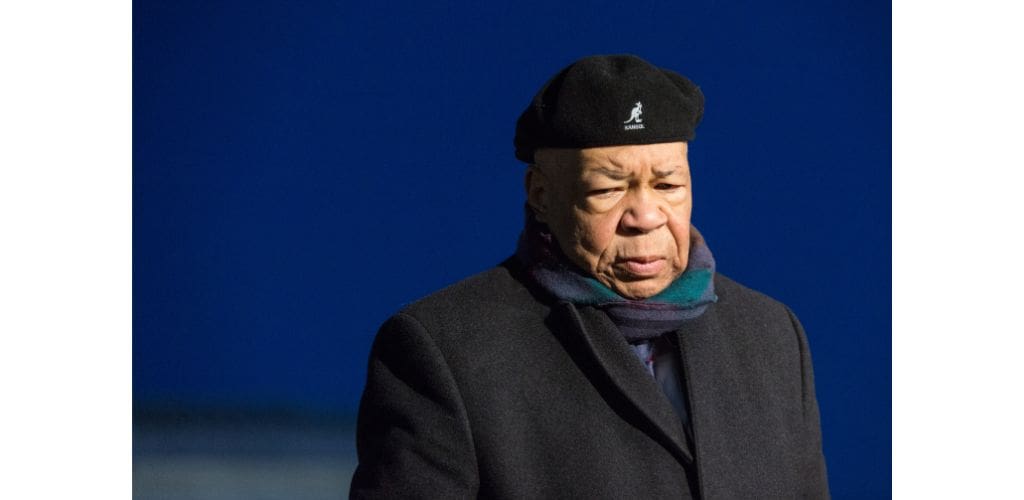
Plaintiff Kangol LLC is a clothing company known for hats depicting its kangaroo logo, as seen above.
In 2024, Kangol brought a trademark infringement and counterfeiting action against dozens of ecommerce vendors, most of which are based in China, including the defendant Hangzhou Chuanyue Silk Import & Export Co., Ltd.
According to Kangol’s complaint, the defendants sell counterfeit products on platforms like Alibaba.
Lawsuits of this type are known as Schedule A cases, because—as the court explained—the defendants are identified in a Schedule A document filed with the complaint.
As is common in such cases, Kangol moved for a temporary restraining order against infringing sales and for permission to effect service on the defendants by email.
In support of this request for email service, Kangol represented that it was “very difficult” to ascertain the true identities and locations of the defendants “given that [they] are primarily Chinese entities that sell counterfeit goods on online sales platforms and typically do not disclose reliable information about their identities and locations in connection with their online storefronts[.]”
The district court approved the request for service by email and entered a temporary restraining order.
Kangol sent Hangzhou an email with a link to the complaint, temporary restraining order, summons, and other documents. The same day, Hangzhou reached out to Kangol to begin settlement negotiations, which continued several months.
Although it was obviously aware of the lawsuit, Hangzhou never appeared before the district court. In May 2024, the court entered default judgment in favor of Kangol.
The court ordered third parties holding money for the defaulting defendants to release it to Kangol as a partial payment toward the judgement.
Kangol was thus able to collect part of the judgement from Hangzhou’s Amazon account.
In 2025, Hangzhou appeared in the US district court and filed a motion to vacate the default judgment, arguing that the judgment was void under Federal Rule of Civil Procedure 60(b)(4) because service by email in China was prohibited by the Hague Service Convention, to which the US and China are both parties.
The district court denied the motion to vacate, concluding that the Hague Service Convention does permit service by email in China.
On appeal, the circuit court noted that Hangzhou was served by email pursuant to Federal Rule of Civil Procedure 4(f)(3), which authorizes service on a foreign entity by means “not prohibited by international agreement[.]”
Article 1 of the Convention states that the Convention “shall apply in all cases, in civil or commercial matters, where there is occasion to transmit a judicial or extrajudicial document for service abroad” but “shall not apply where the address of the person to be served with the document is not known.”
Kangol contended that the Convention doesn’t apply because Hangzhou’s address wasn’t known. Kangol said its attempts to locate Hangzhou led to several conflicting addresses for “stalls at an open-air market.”
Hangzhou countered that its address was known and easily discoverable.
The district court didn’t resolve this dispute, finding that the Convention permits email service in China in any case. The Circuit Court found that this was in error.
The court thus remanded to the district court to determine whether the address was, in fact, not known.
Just like the haiku above, we like to keep our posts short and sweet. Hopefully, you found this bite-sized information helpful. If you would like more information, please do not hesitate to contact us here: https://aeonlaw.com/contact-us/.